Luis Grolez
2025.11.26
Can you tell us more about yourself?
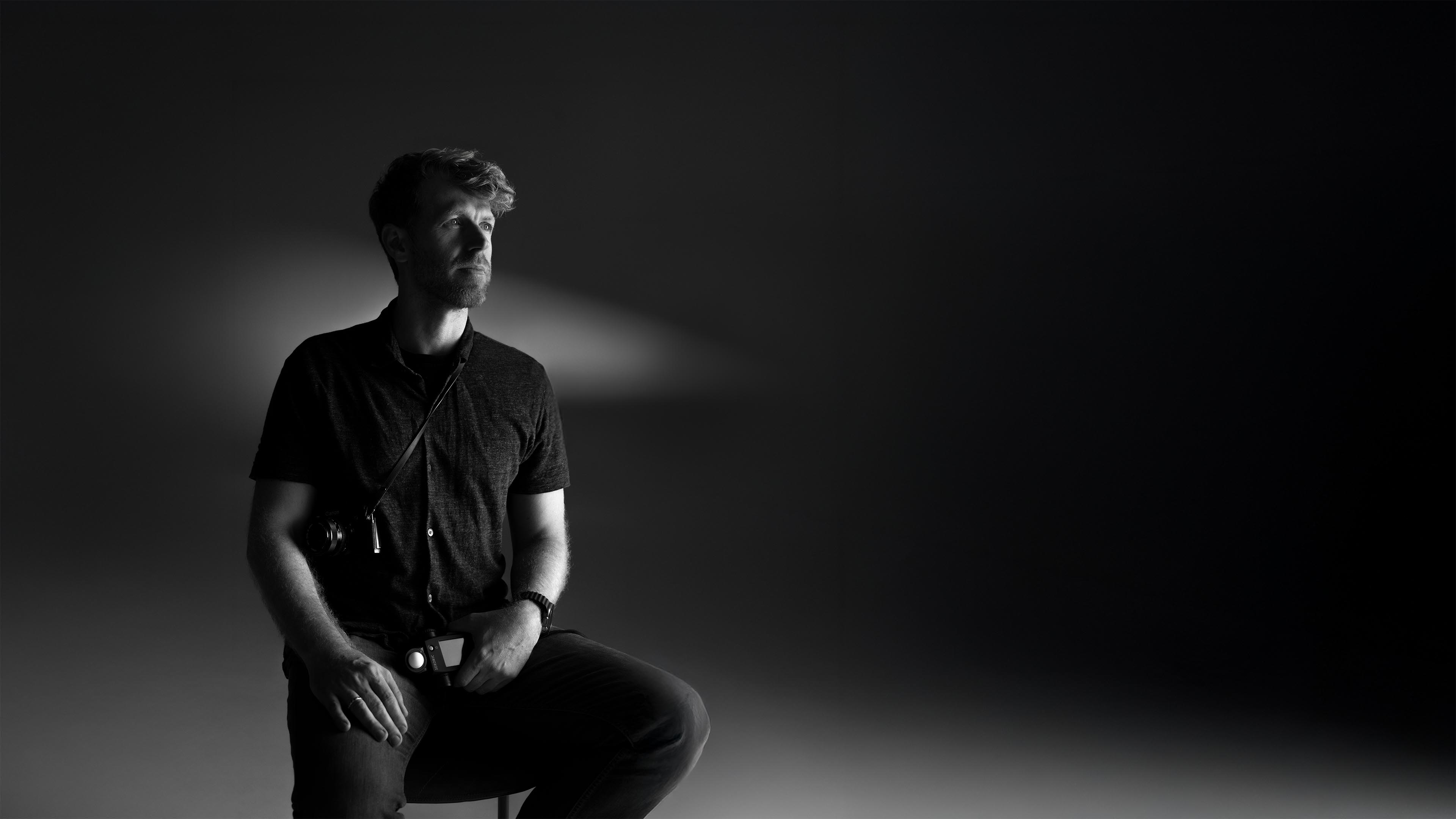
I’m Luis Grolez, a French-Australian Director and Cinematographer known for my precision, creativity, and solution-driven approach. I blend artistic vision with technical expertise to craft high-quality visual narratives. My work spans Europe, the UK, and the Middle East, and I’ve had the privilege of collaborating with global brands such as McDonald’s, Loro Piana, Chevrolet, Aldar, and Hugo Boss.
Outside of filmmaking, I enjoy scuba diving, piloting, beekeeping, sailing, and OneWheeling—pursuits that reflect my adventurous spirit, love of nature, and appreciation for precision and skill.
Can you tell us about the film you recently worked on and your role in its production?
Here are two recent projects, each with unique creative and technical challenges: a commercial teaser for an educational film and a corporate interview series for a premium client.
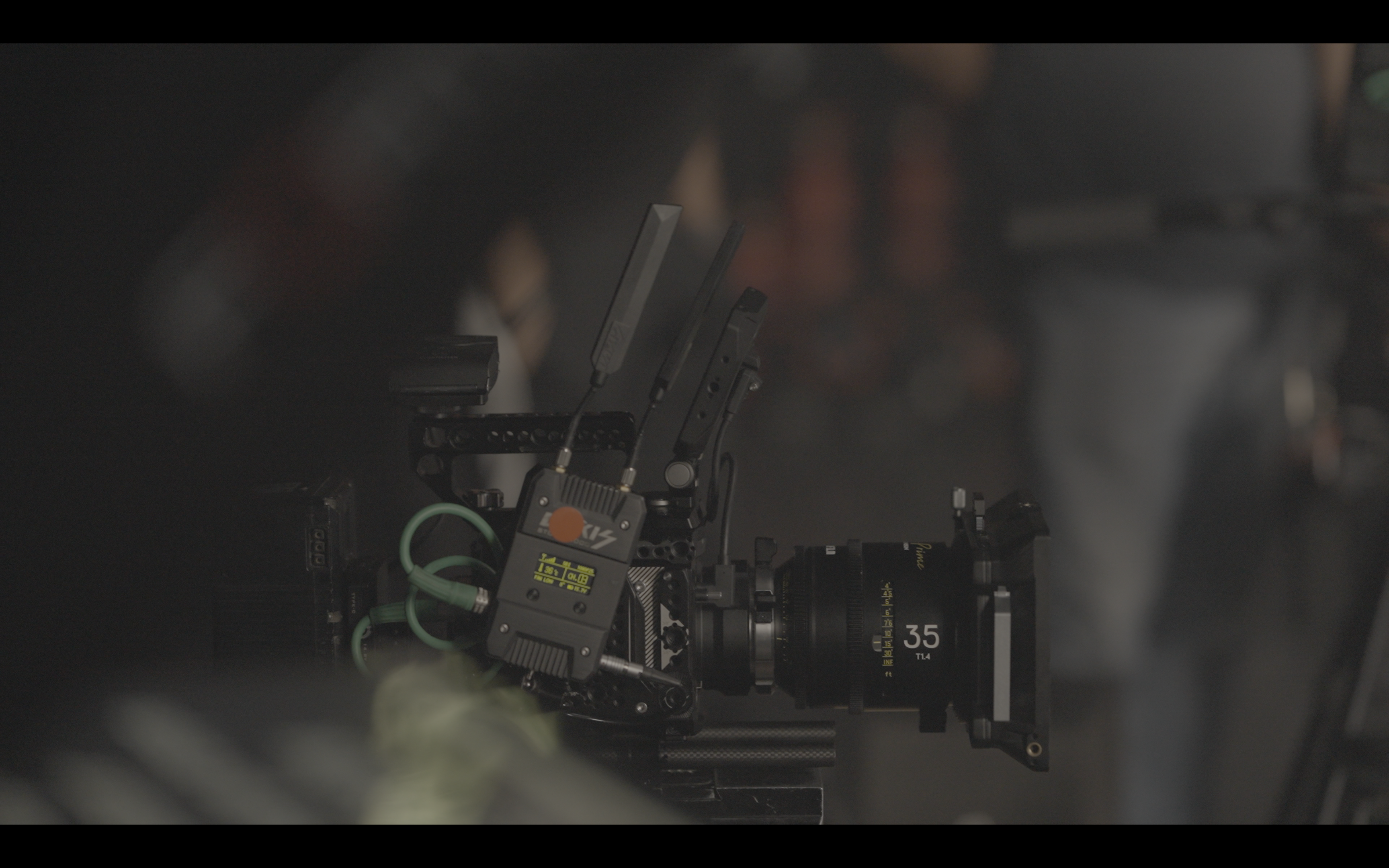
The Teaser Educational Video was produced for Sharjah Education in collaboration with the agency/production house Street FZC, where I served as Director of Photography. The creative challenge was to capture every shot from a point-of-view perspective, which required positioning the camera in typically hard-to-reach places. My solution was to use the compact Pyxis 6K paired with Arles Prime lenses, operating handheld to precisely sync camera movement with the talent’s actions for a seamless POV experience.
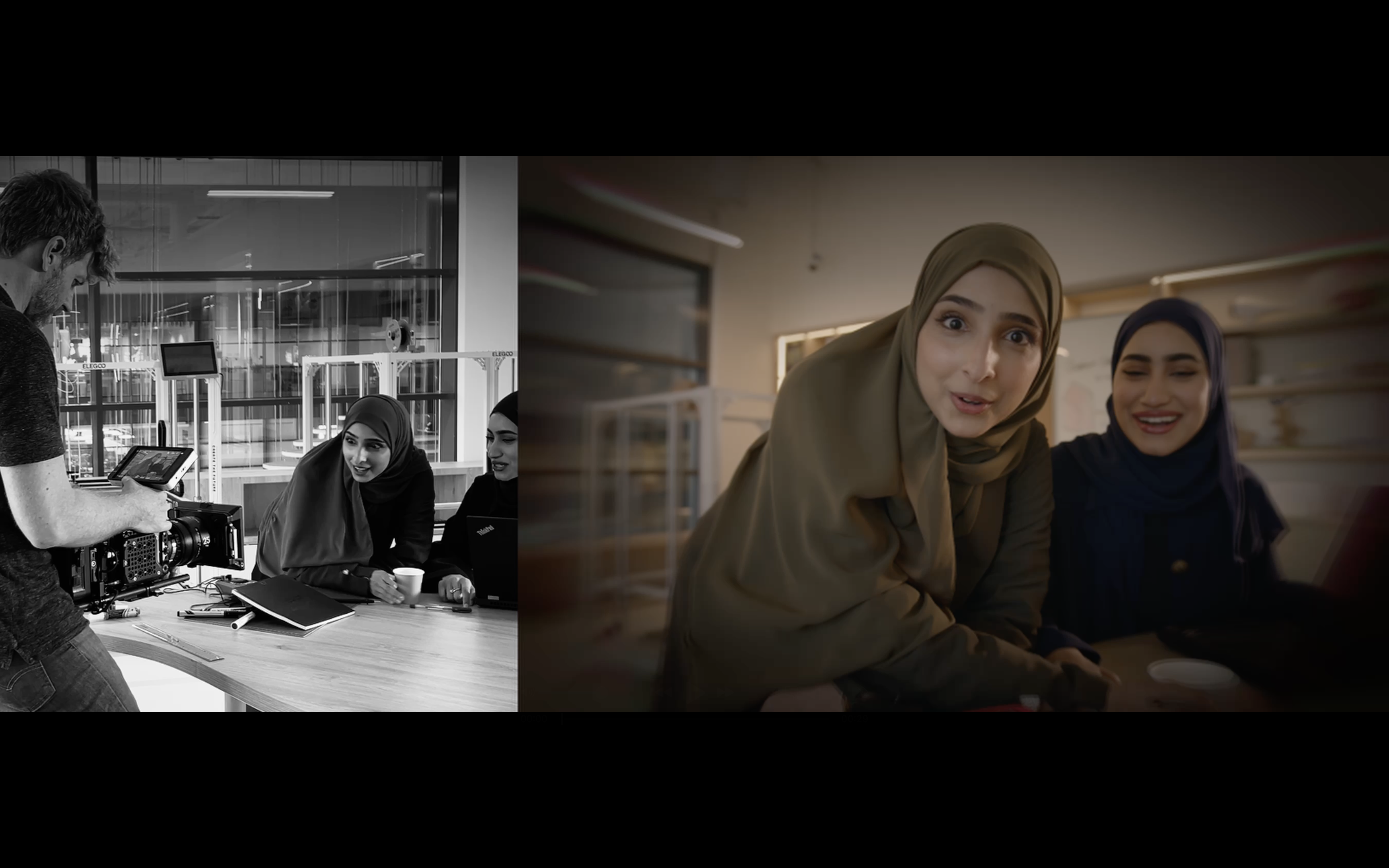
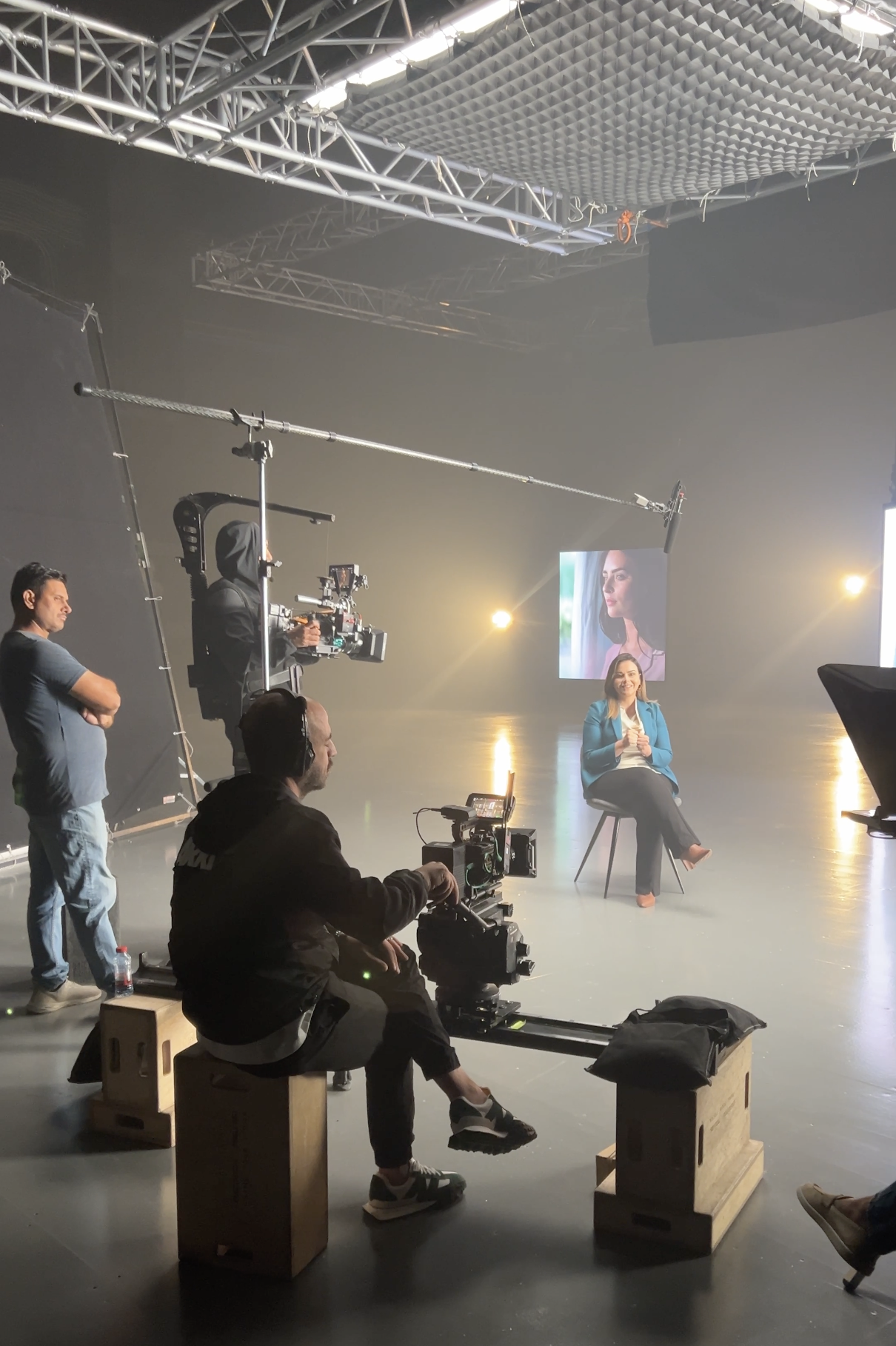
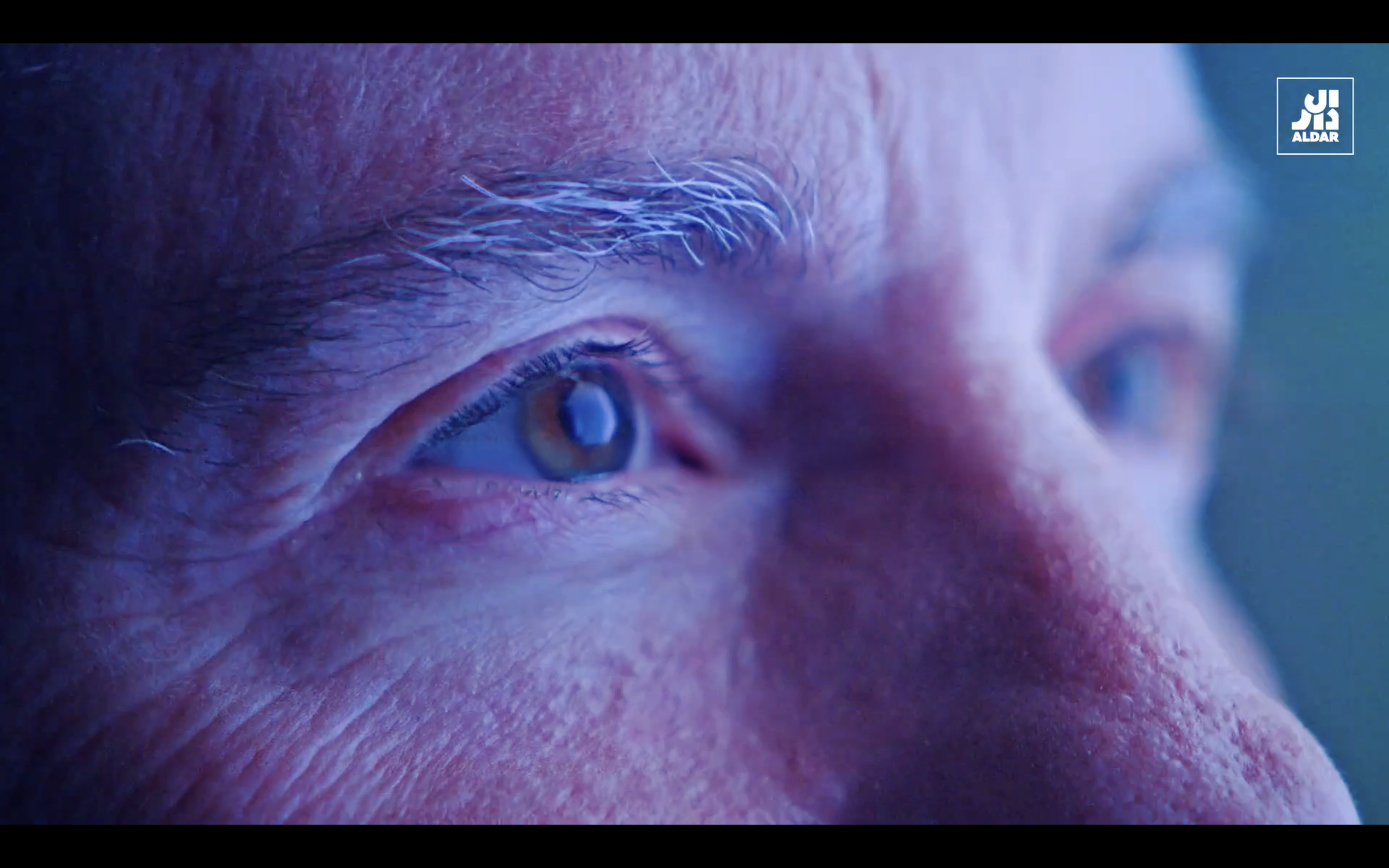
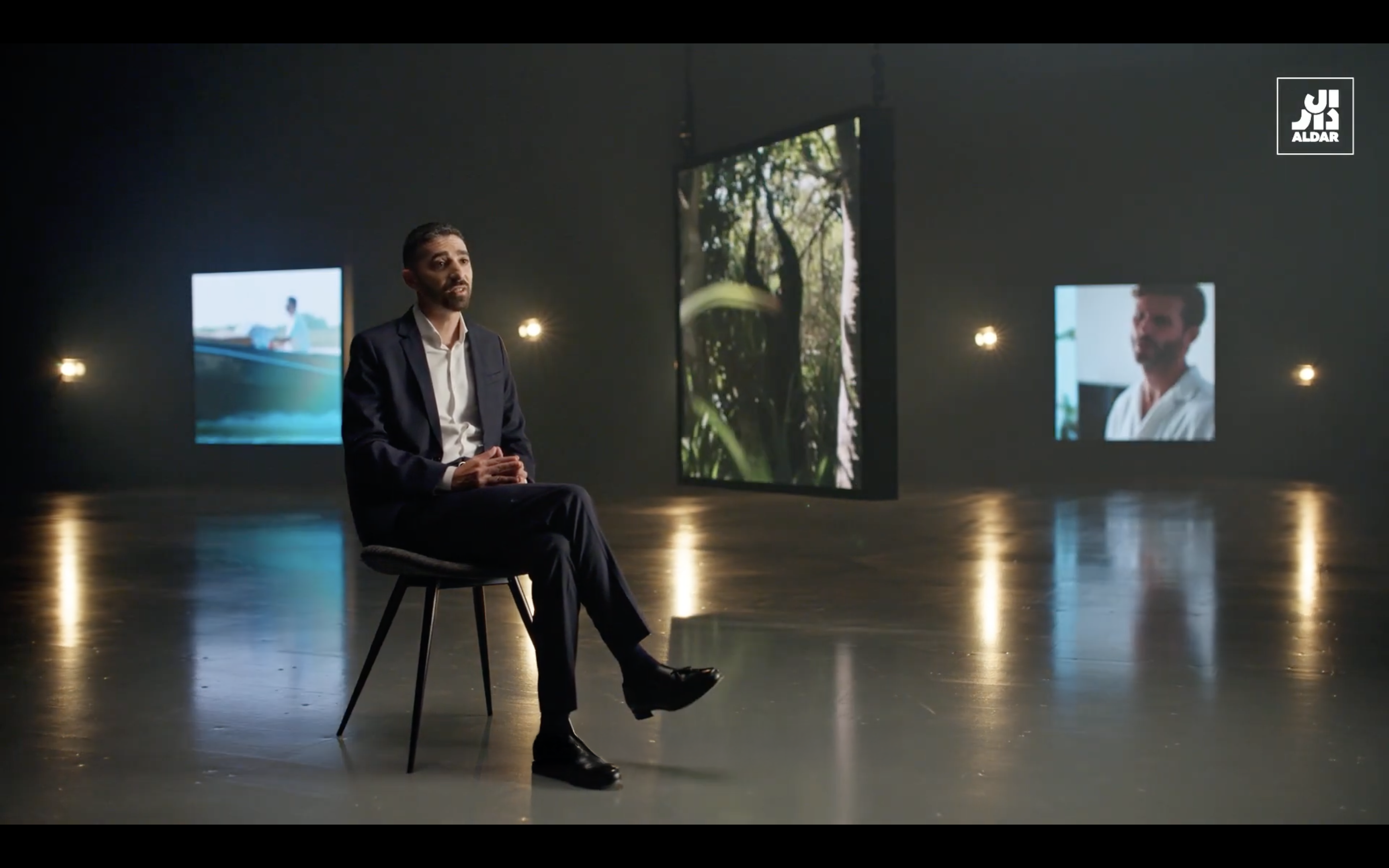
For the Aldar project, I served as both Director and Cinematographer. This was a high-end corporate interview series shot over a week in Abu Dhabi, featuring senior executives from Aldar, one of the city’s leading real estate developers known for high-quality buildings and communities. The key challenge was filming with three cameras without interrupting the natural flow of conversation—essential when working with executives. We also needed coverage ranging from super wide to extreme close-ups, capturing more than three distinct angles per interview. To achieve this, I had a camera operator on an Easyrig using the Alexa LF with an Arles 100mm lens (plus a 2x doubler) to actively capture close-ups and creative angles. This mobile setup provided dynamic shots that added significant flexibility in the edit.
What specific camera and Arles Prime lens products did you choose for your latest film, and what influenced your decision?
For the Teaser Educational Video, I selected the Blackmagic Pyxis 6K paired with the 14mm Arles Prime. The project required point-of-view shots from the perspective of objects like phones and robots, demanding a compact, lightweight setup that could fit into tight spaces. The Pyxis and 14mm Arles combination allowed me to operate handheld and move fluidly with the talent, ensuring perfect alignment between camera movement and performance for a grounded, immersive feel.
On the Aldar corporate interviews, the approach was different but equally demanding. The goal was to film uninterrupted interviews with senior executives while achieving a wide range of cinematic angles—from expansive wides to extreme close-ups—without breaking the natural conversational flow. I designed a three-camera configuration: the Pyxis 6K with a 25mm Arles lens captured graceful moving wide shots on a slider; the URSA Mini with the 75mm Arles provided a steady, polished medium frame; and the Alexa LF, fitted with a 100mm Arles lens and 2x doubler, was operated handheld on an Easyrig to capture intimate close-ups of hands, faces, and expressions. This mobile camera was key to adding dynamic angles throughout the interviews, giving the editor a richer selection of frames.
All lenses were shot at T2 to achieve a pleasing shallow depth of field while maintaining critical focus on the subjects. The setup allowed interviews—though scheduled for three hours—to be completed efficiently in under an hour, followed by natural b-roll sequences that added texture and depth to the final edit.
In what ways do you believe the choice of Arles Prime lenses affects the storytelling in your films?
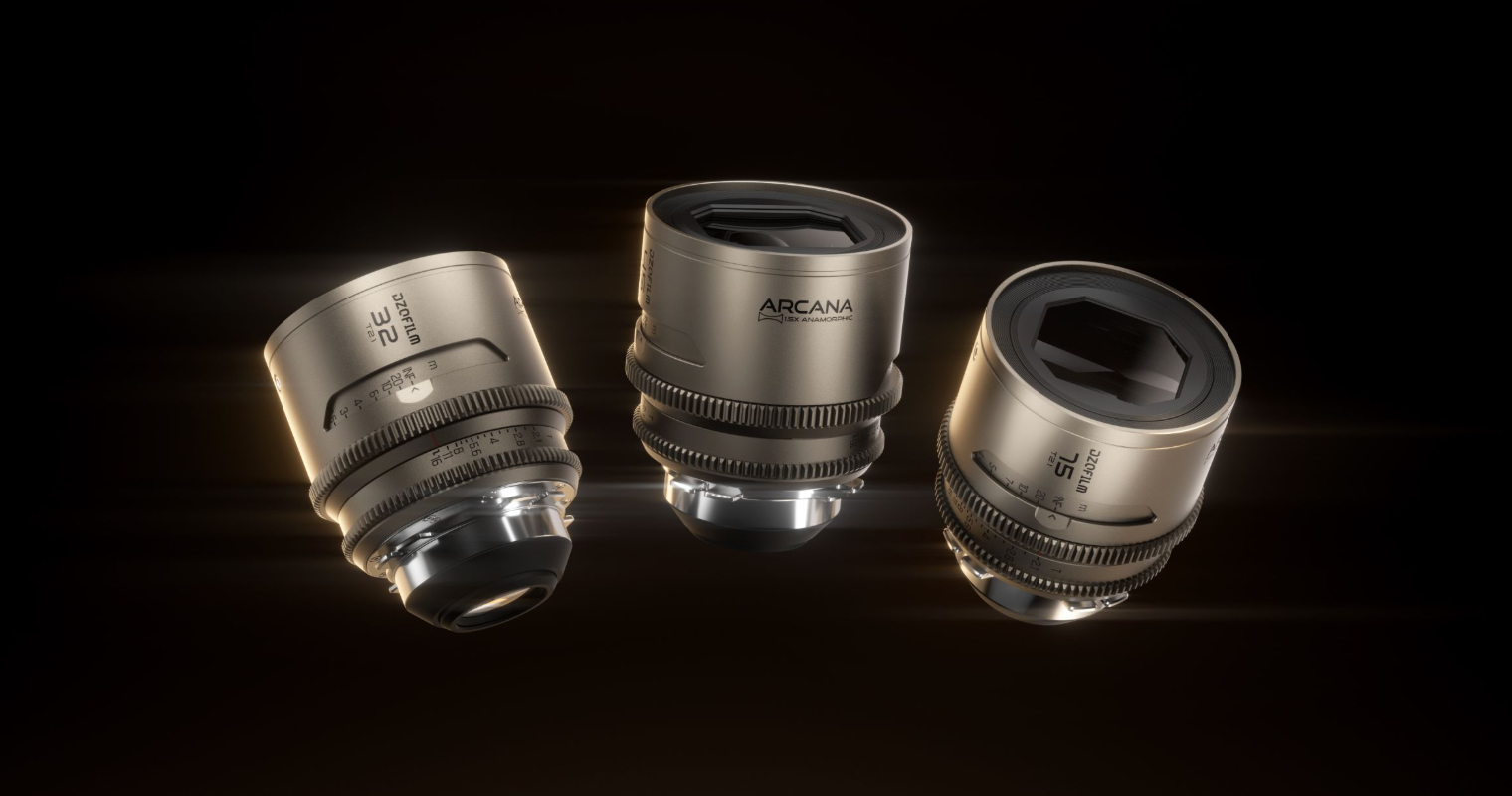
Switching to full-frame Arles Primes has been transformative for my work. These lenses deliver a visual character comparable to premium options like Cooke and ARRI Master Primes, but at a price point that makes sense for a boutique production company like Grolez Films in Dubai. Their image quality, sharpness, and beautiful skin tone rendering allow me to elevate the cinematic feel of my films while maintaining flexibility and value for my clients.
More importantly, the full-frame coverage of the Arles Primes has expanded my creative possibilities. The depth, texture, and dimensionality these lenses provide help immerse the viewer more deeply into each scene. They also perform beautifully in low-light conditions, enabling me to experiment with moodier, more atmospheric lighting setups that enhance narrative tone.
Ultimately, the Arles Primes have influenced not just how my films look, but how I approach framing, composition, and lighting—motivating me to shift entirely away from Super35 formats and reimagine my visual language around the full-frame aesthetic.
What challenges did you face when using Arles Primes, and how did you address them?
When I purchased the 5-lens set in late 2024—including the 25mm, 35mm, 50mm, 75mm, and 100mm—it covered most of my shooting needs. I later added the 14mm to expand creative possibilities, especially for wide, immersive shots.
The main challenge has been achieving extremely tight shots when required. In those cases, I sometimes rent a 2x doubler to turn the 100mm into a 200mm equivalent, though I prefer to avoid this due to some image degradation. If DZOFILM releases an Arles 180mm or 200mm, I would add it immediately, as it would perfectly complement the set and allow me to stay fully within the Arles Prime lineup without compromise.
What camera equipment and lenses did you use, and how did they contribute to the film’s overall aesthetic?
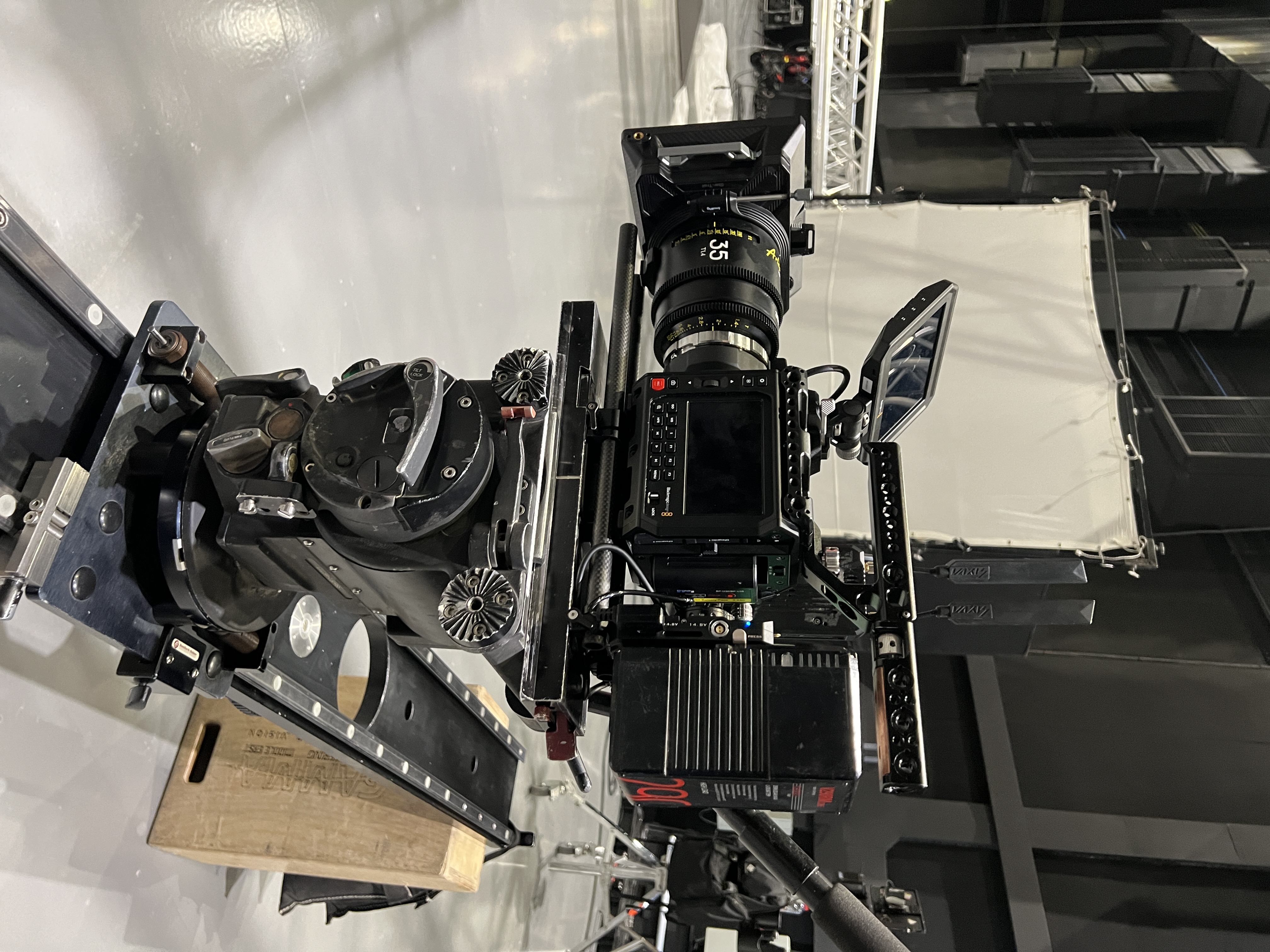
The Arles Primes now live permanently on my Blackmagic Pyxis 6K—a combination that delivers exceptional image quality and a cinematic, immersive look. For higher-budget projects, I rent the Alexa LF, which pairs beautifully with the Arles lenses and adds even more production value.
Since acquiring these full-frame lenses, I have largely phased out my Super35 cameras, as the full-frame aesthetic truly unlocks the potential of the Arles optics. This shift has redefined how I approach framing and composition, allowing me to deliver consistently polished, high-quality visuals.
How did your journey with Arles Primes begin? What initially drew you to them?
I was an early adopter of DZOFILM lenses in Dubai, starting with the Pictor Zooms. At the time, much of my work involved fast-paced, run-and-gun shoots where flexibility and efficiency were critical, and the Pictor Zooms were perfect for that workflow. Their versatility, robust build quality, and reliable performance allowed me to quickly adapt to different scenarios without wasting time changing lenses or compromising on image quality.
As my style and projects evolved toward more cinematic, lighting-driven work with larger crews, my lens needs shifted as well. When DZOFILM released the Arles Primes, I immediately recognized their potential to deliver a premium look at an accessible price point. I fell in love with their rendering and character from the first use, and I quickly became one of the first Director-Cinematographers in Dubai to own and actively deploy them on commercial and corporate projects.
The acquisition of the Arles Primes didn’t just improve the look of my films—it fundamentally changed my approach. They motivated me to fully transition to full-frame cameras to make the most of what these lenses had to offer, leading to my purchase of the Blackmagic Pyxis 6K. Now, having worked extensively with this Pyxis and Arles combination, I find it almost impossible to return to the Super35 format. The visual quality, dimensionality, and flexibility these lenses provide have become central to my workflow and to the elevated visual standard I deliver to clients.
What have you learned about cinematic tools through your experiences? Any surprising insights?
While cameras and lenses are undeniably important, lighting is paramount. Even with the finest camera and lens, poor lighting—such as harsh overheads in a mall—will result in flat, unappealing visuals. The tools can only perform to the level of the environment and light they are given.
Through my experience, I’ve learned that great cinematography depends less on the gear itself and more on how light is controlled and shaped to create mood, texture, and depth. Although I appreciate the performance of my Pyxis and Arles kit and the beautiful images they produce, it is ultimately the lighting design and execution that elevate the visual storytelling and bring a film to life.
What advice would you give to new filmmakers regarding camera equipment selection?
My advice: stop overthinking, stop endlessly watching tutorials, and just get out and shoot. Nothing compares to practical experience when it comes to learning and improving as a filmmaker.