
2026.01.27
DOP Justin Griffiths Interview
Before we start the interview, may I invite you to briefly introduce yourself? How did you know about DZOFILM?
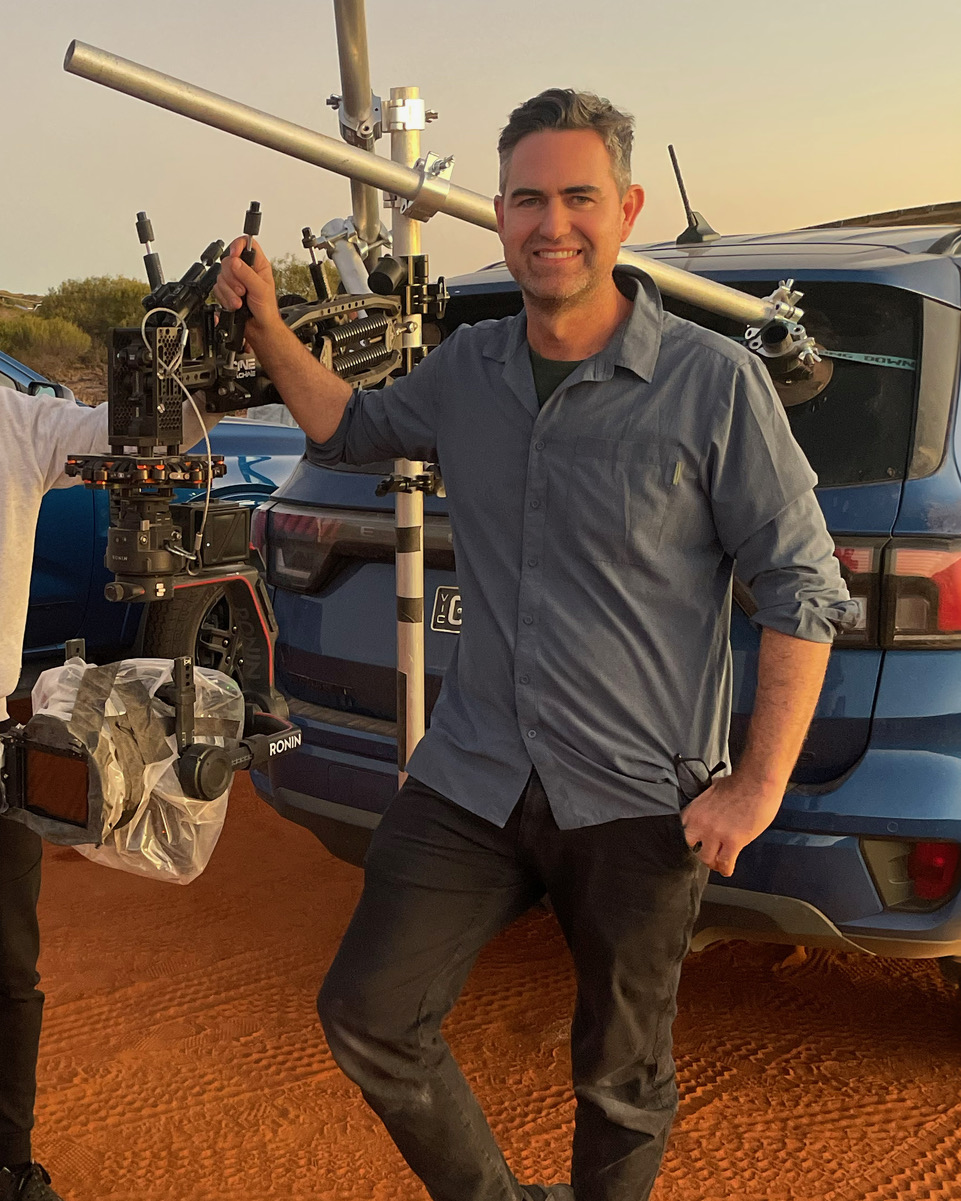
I’m a Director of Photography and stills photographer based in Perth, Western Australia. I work primarily across commercials, branded content, and narrative projects.
I first became aware of DZOFILM through the cinematography community here in Australia, and more specifically through testing lenses at our local rental house, Raz Rentals in Perth. Once I had a chance to properly test the lenses on real-world projects, they quickly became a go-to option for me.
Visual Concept & Creative Origins
When preparing for “Rats! You have rats.”, how did you develop the overall visual style of the film? Among the many lens options available, what qualities led you to choose the set of DZOFILM lenses you ultimately used?
Frank Carroll is a director and frequent collaborator, so for this series of three ads we already had a shared shorthand for the style and tone we wanted to explore. We used ShotDeck and FrameSet early on to build a strong visual reference base and align creatively.
We met regularly at a café to talk through every aspect of the project — talent, locations, art department, camera movement, lensing, and colour, really defining the look and tone Frank wanted to achieve long before stepping on set.
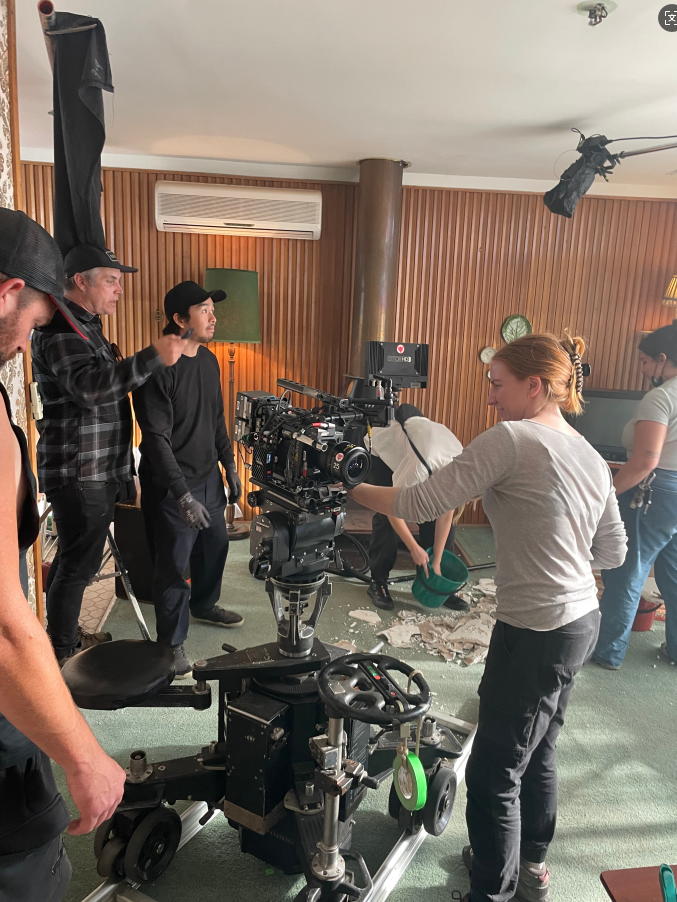
Frank was keen to shoot Open Gate, as he loves the taller frame, and we also wanted to shoot large format. That informed the lens choices, as we needed full coverage without vignetting. We went to Raz Rentals and tested a wide range of lenses, including some far more expensive options.
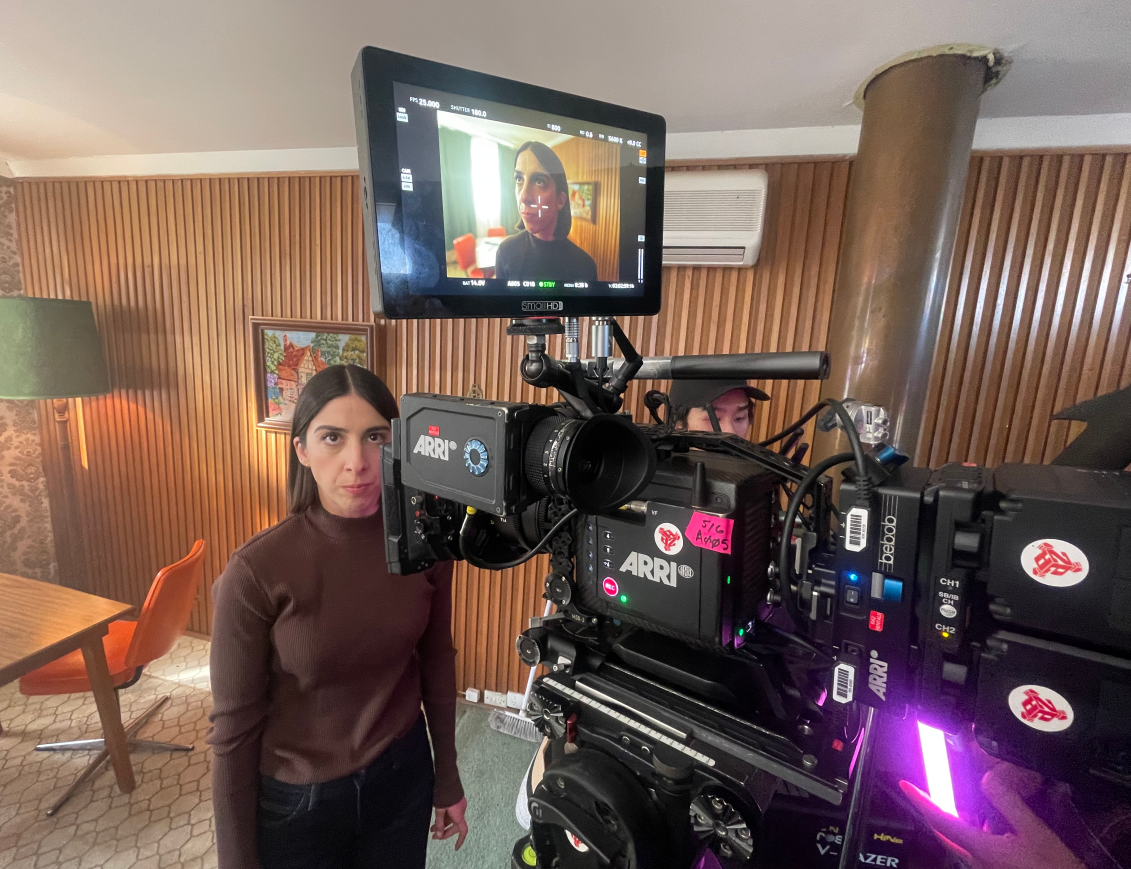
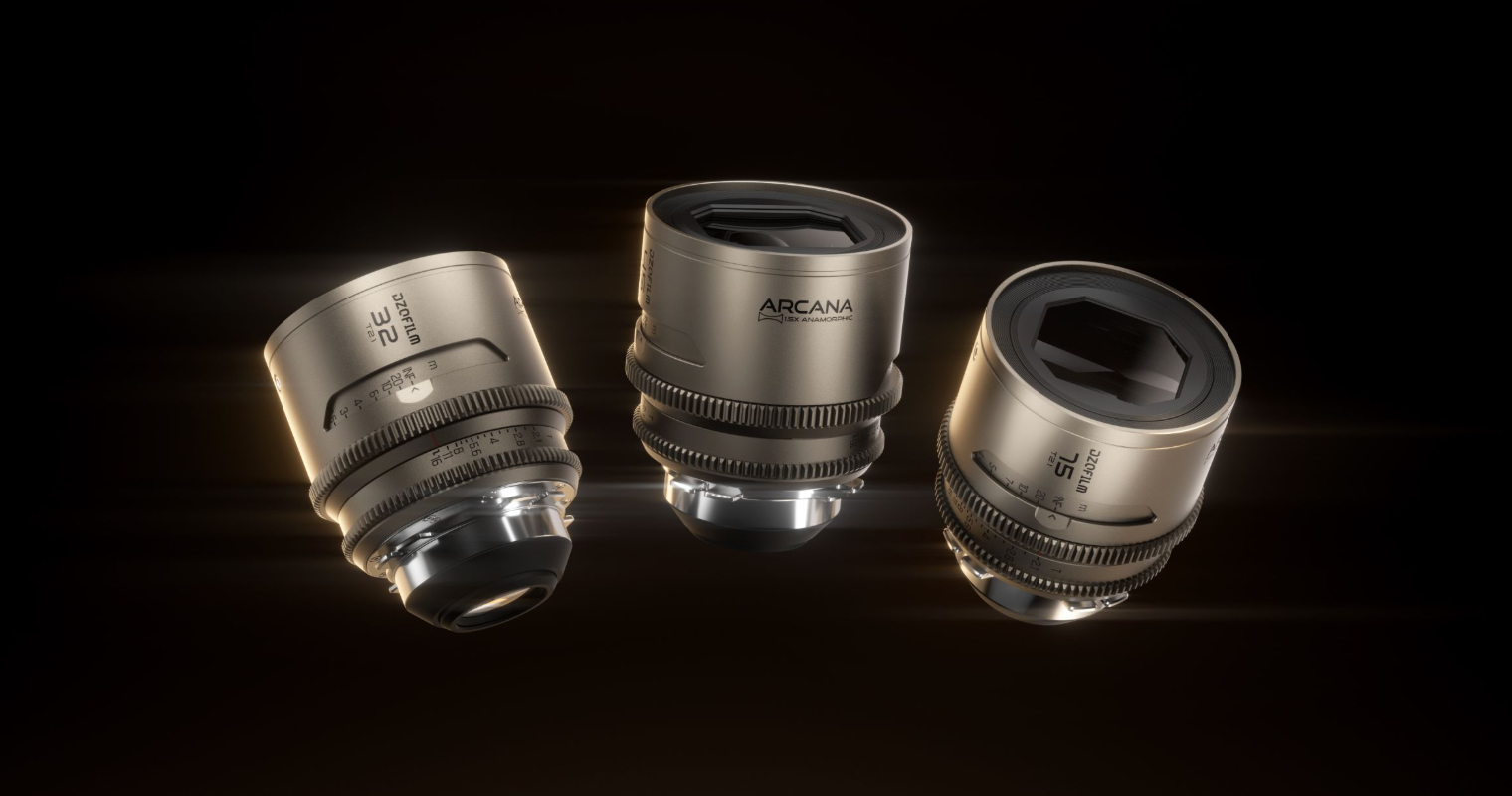
The DZOFILM lenses ultimately won out. They covered Open Gate on the ARRI Alexa Mini LF, offered a fast T1.4 aperture, and Raz had a comprehensive 10-lens set with a fantastic spread of focal lengths. The 16-blade iris produced a beautiful, soft, creamy, slightly swirly bokeh, and the build quality felt solid and robust.
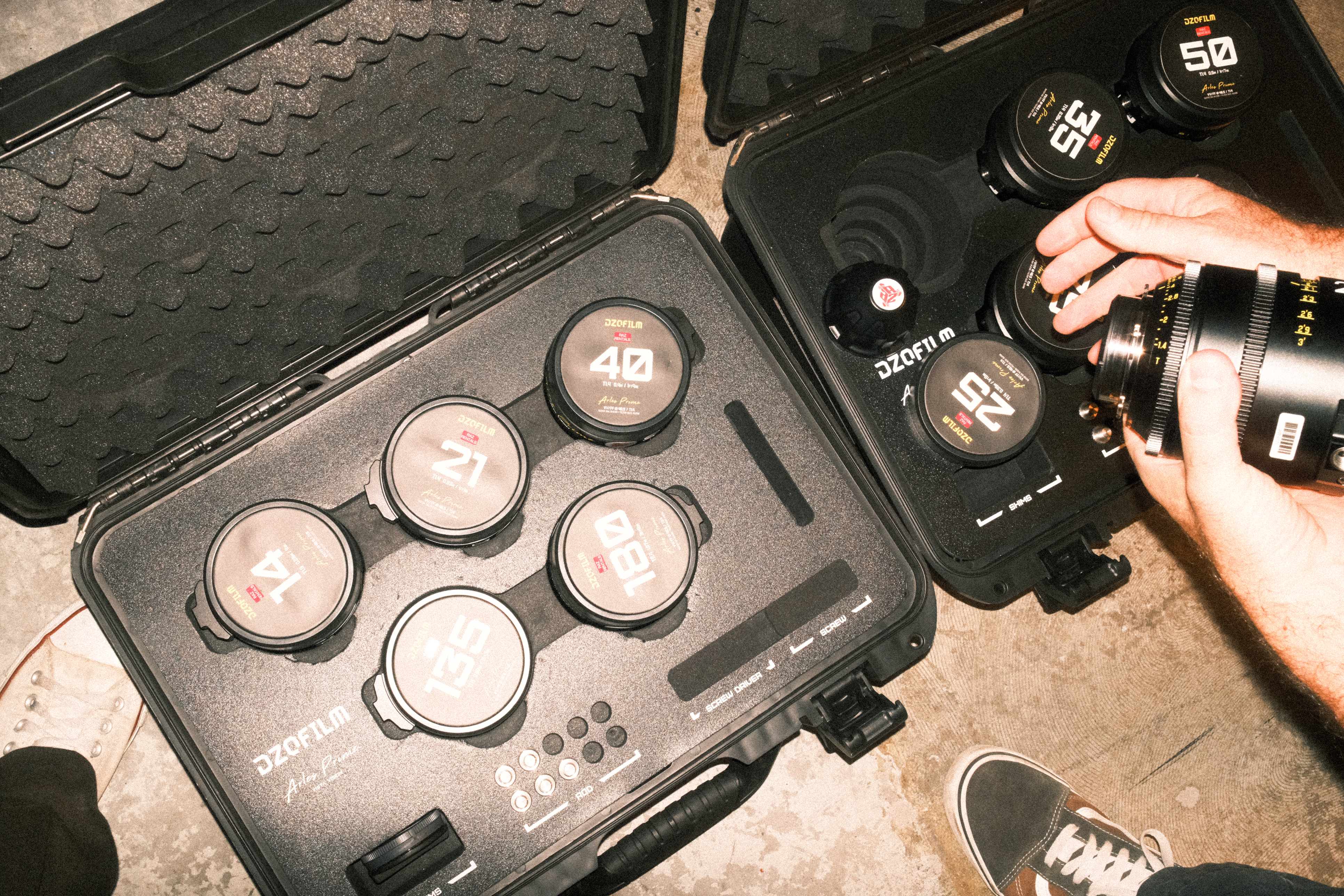
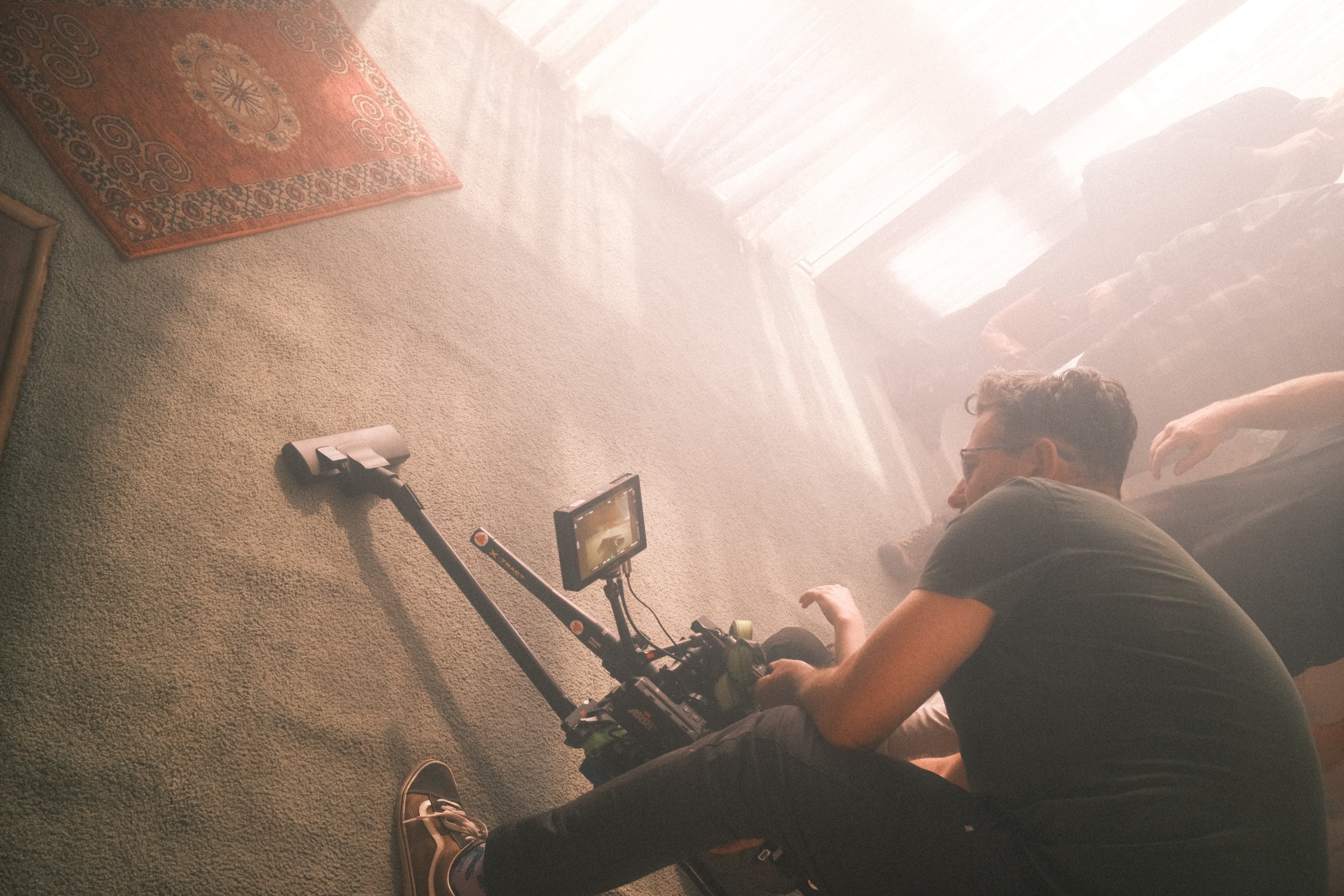
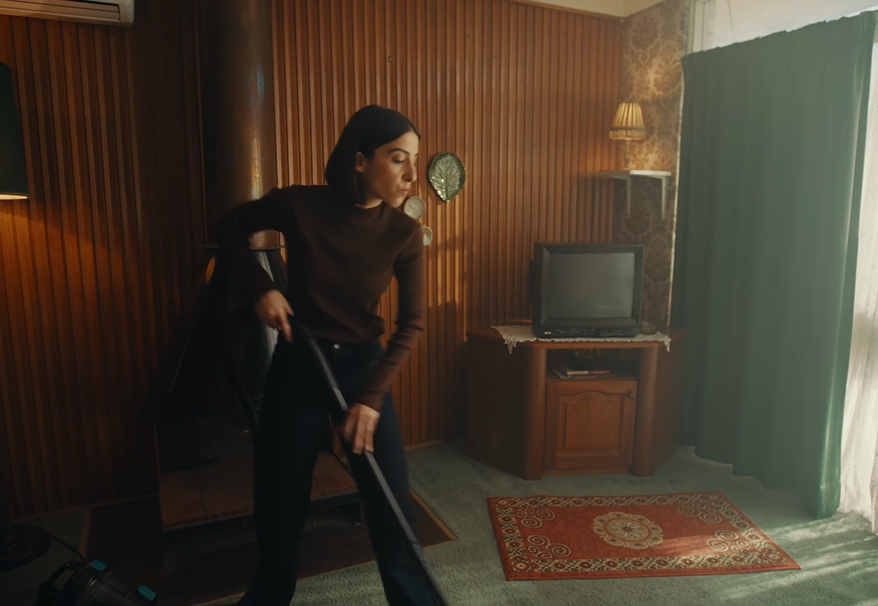
We particularly loved having both a 14mm and a 21mm in the lineup. The 21mm, 25mm, and 40mm became our main workhorse lenses. We also planned some creative probe shots and used the DZOFILM X-Tract 18–28mm Probe for the vacuum cleaner sequence. Across the range, the lenses felt very consistent, which was hugely important for the project.
How Lenses Serve the Narrative
Scenes like the eagle’s entrance and character interactions are visually striking. Could you discuss how different focal lengths helped shape the emotional tone and pacing?
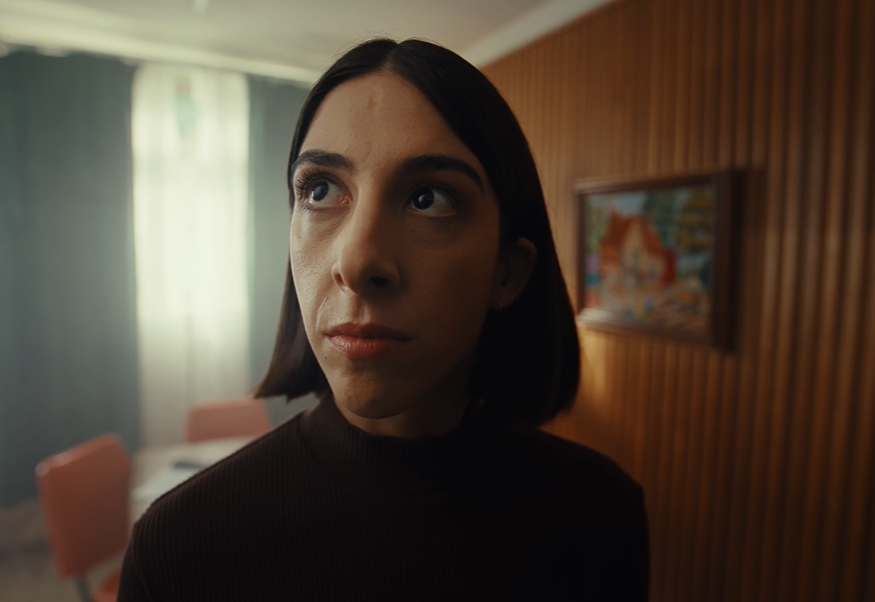
We leaned heavily into wider focal lengths to enhance the comedic tone Frank was aiming for. The 21mm, in particular, became a favourite for close-ups, it added a subtle exaggeration that really supported the humour without feeling gimmicky.
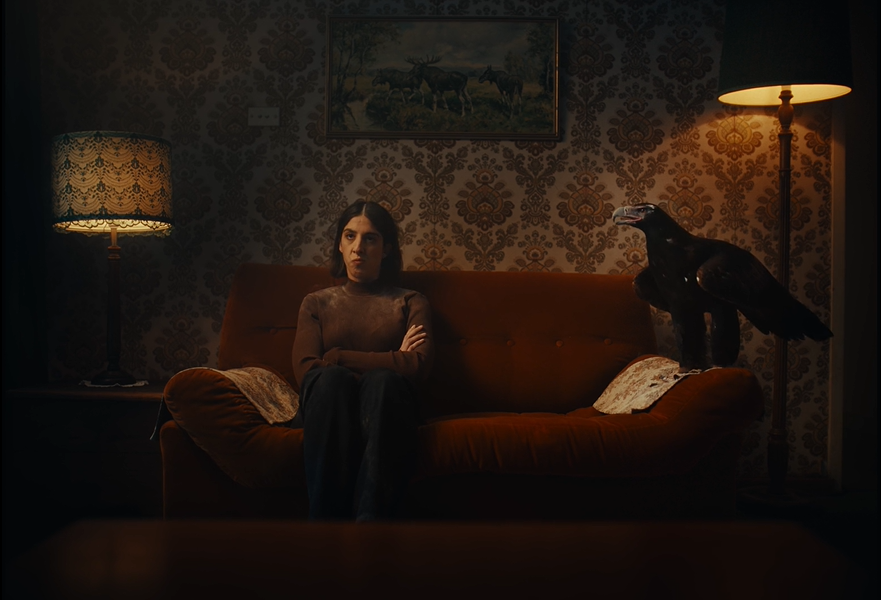
Alongside that, we regularly used the 25mm and 40mm, which we preferred over the more standard focal lengths like the 35mm and 50mm. Mixing those focal lengths helped keep the pacing playful and slightly off-kilter, which suited the quirky nature of the spot.
Shooting Experience in Low Light & Challenging Environments
In low-light or complex lighting conditions, how did a high-speed lens like the Arles T1.4 help overcome creative challenges?
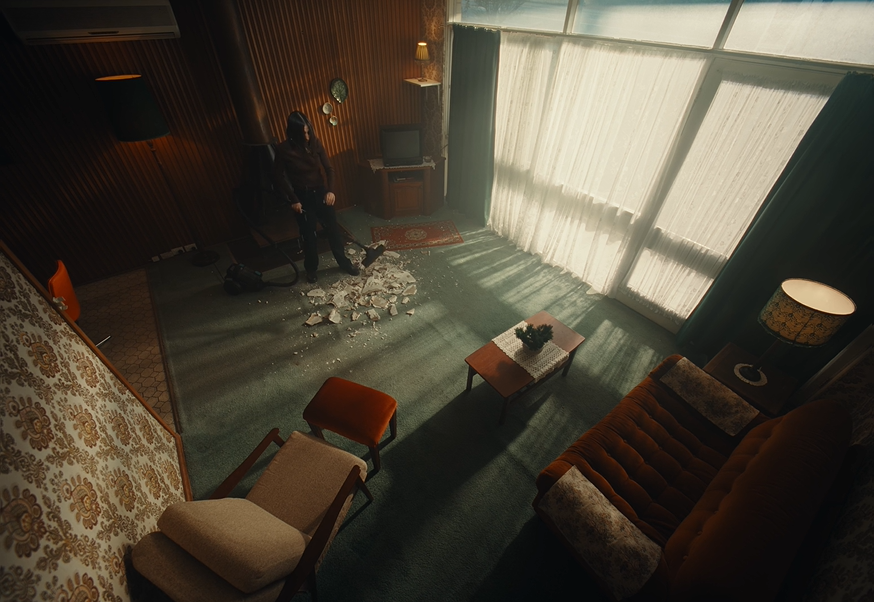
We had Dion Borrett as our gaffer, and our key lights were the Nanlux 2400B and Aputure 1200D, so light levels weren’t an issue. We actually used the Alexa’s internal NDs as well as additional ND in the matte box to shoot around a T2 for most setups.
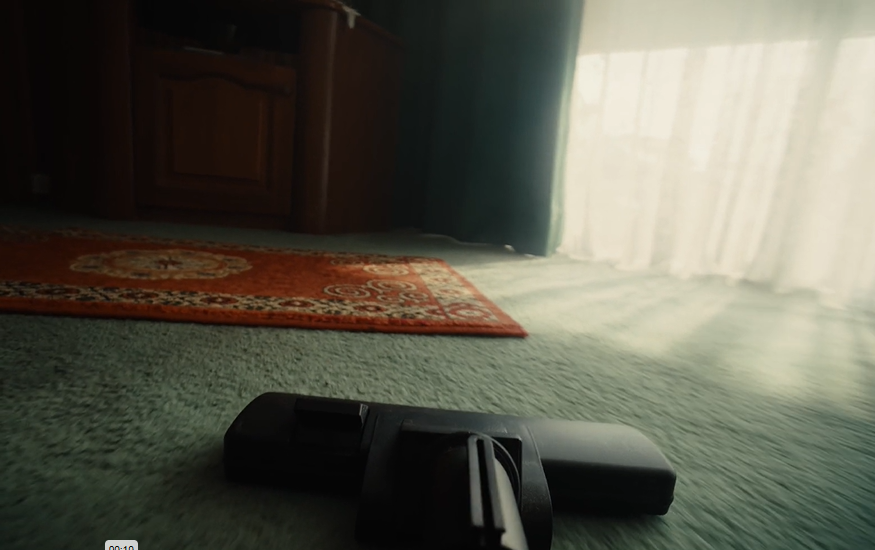
What really mattered was how the lenses and sensor handled contrast and extreme highlights, especially from windows. Even when not wide open, the lenses produced a very pleasing, painterly fall-off in the background. The bokeh felt soft and natural, which really helped shape the mood without drawing attention to itself.
Team Workflow & On-Set Handling
From a cinematography team’s perspective, what characteristics make an ideal cinema lens, and how did these lenses perform?
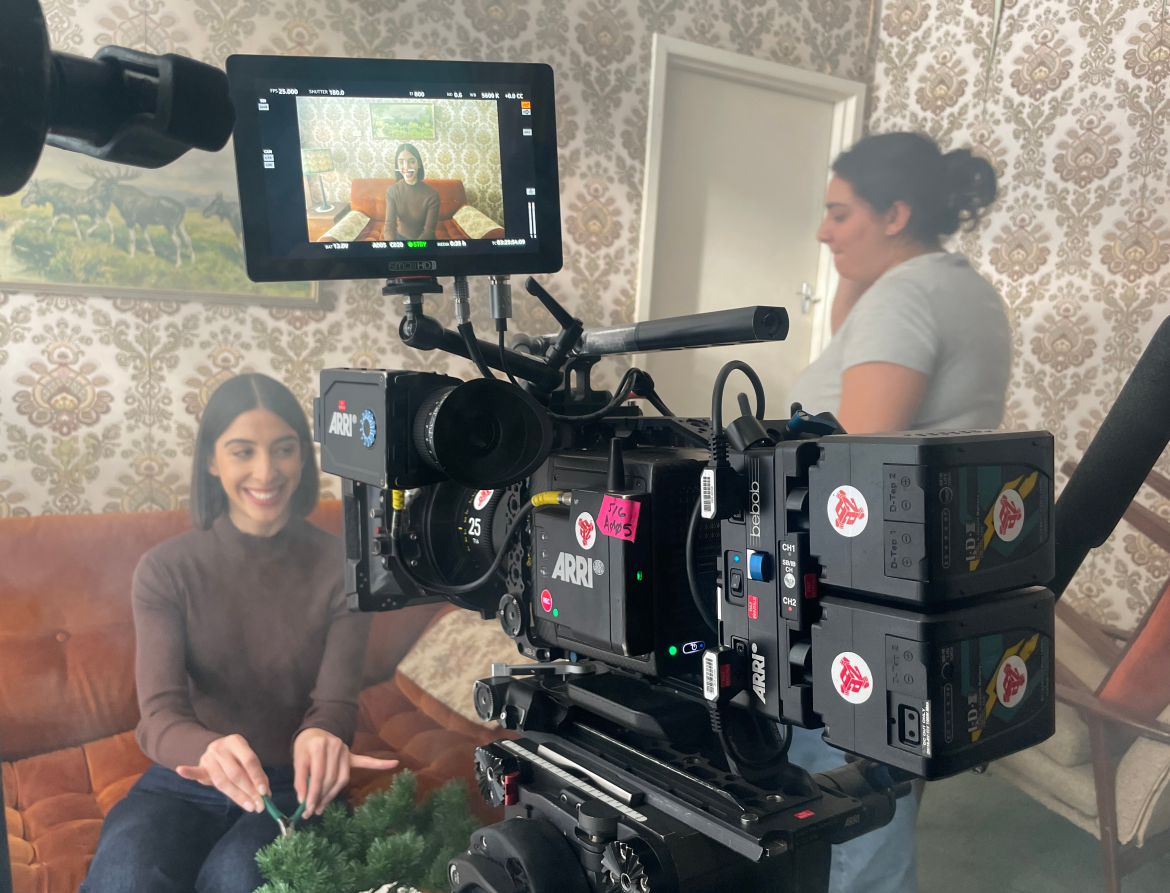
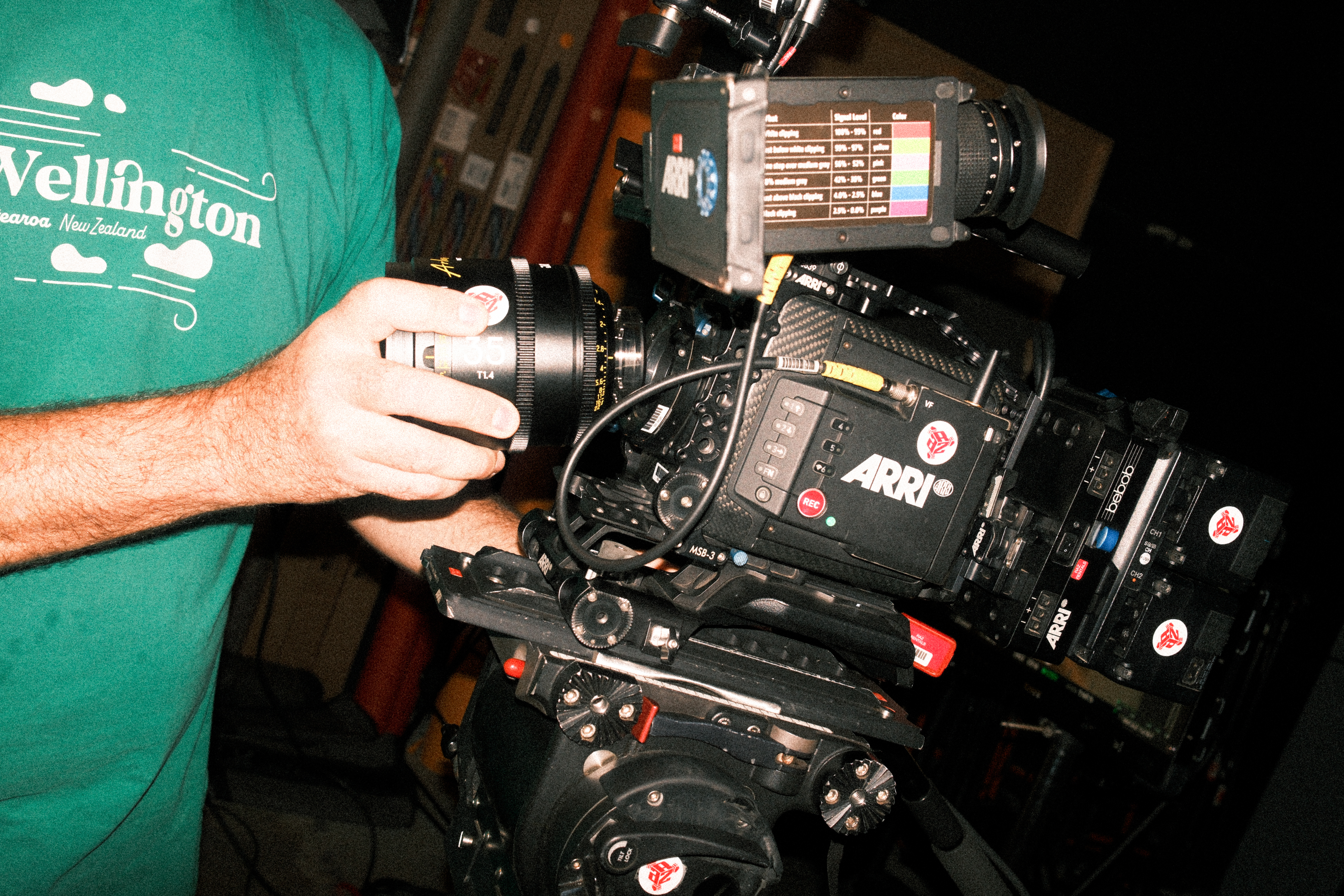
Personally, a 95mm front diameter is my ideal size, similar to something like ARRI Ultra Primes. They’re not too big or heavy, don’t require lens support, but still allow enough room for motors and accessories, unlike smaller cinemodded stills lenses.
Having a consistent size and gear positioning across the entire DZOFILM lineup saved a lot of time on set. Quick lens swaps without needing to reconfigure the rig made the workflow very efficient, which my 1st AC Bri Trinidad and 2nd AC Gray Long, did a fantastic job.
Advice for Creators on Lens Selection
What factors should filmmakers prioritize when choosing lenses, and how do you balance technical performance with artistic character?
Technically, the DZOFILM lenses met everything Frank and I were looking for during testing. But what really sealed it was how they felt emotionally. We both knew almost immediately that they were the right lenses for the project — and that was after testing significantly more expensive options.
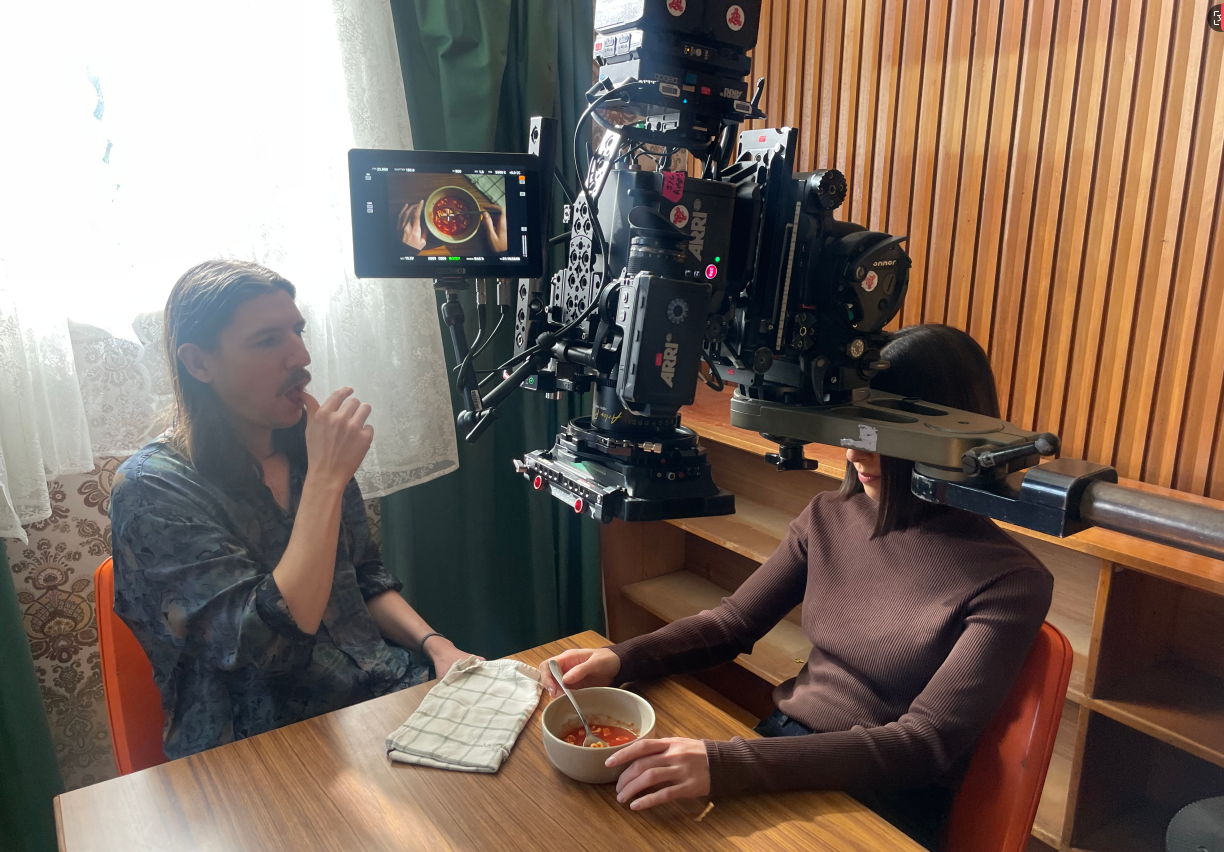
Since then, Frank and I have shot three more projects with the same lens package, added the DZOFILM Catta Zooms for his latest project, and we’re about to shoot two more TVCs on DZOFILM lenses. So yes, it’s fair to say we’re genuine fans.
Looking Ahead: The Future of Creative Tools
As camera and lens technology evolves, what innovations would you like to see in cinema lens design?
Honestly, I think we’re incredibly spoilt for choice right now. Anamorphics, which were once out of reach for many shooters, are now far more accessible. As most cameras move toward full-frame sensors, it’s great to see lens manufacturers responding with proper large-format coverage.
Having so many options at different price points is fantastic, and I think DZOFILM is doing an excellent job of listening to working cinematographers while keeping their lenses financially accessible.
Dir/Producer/Editor. @frank___innit
Commercial original: https://vimeo.com/1137989406