
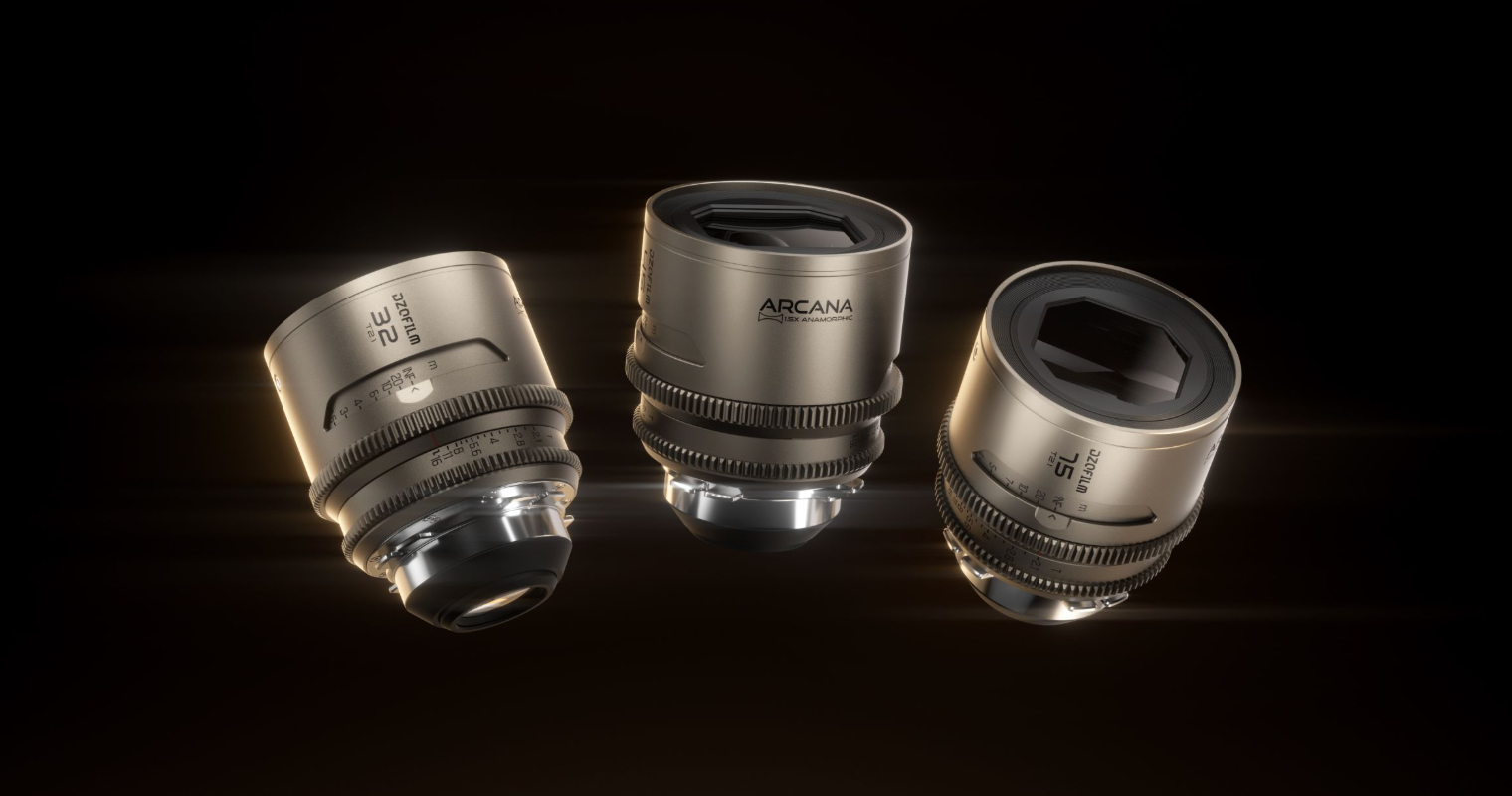
2025.3.24
In the field of cinema optics, an optical coating consists of one or more microscopic layers of material deposited onto the surface of an optical component, such as a lens element. While they may be invisible to the naked eye, these coatings represent a cornerstone of modern optical engineering, serving as a primary determinant of a lens's performance, character, and overall image quality.
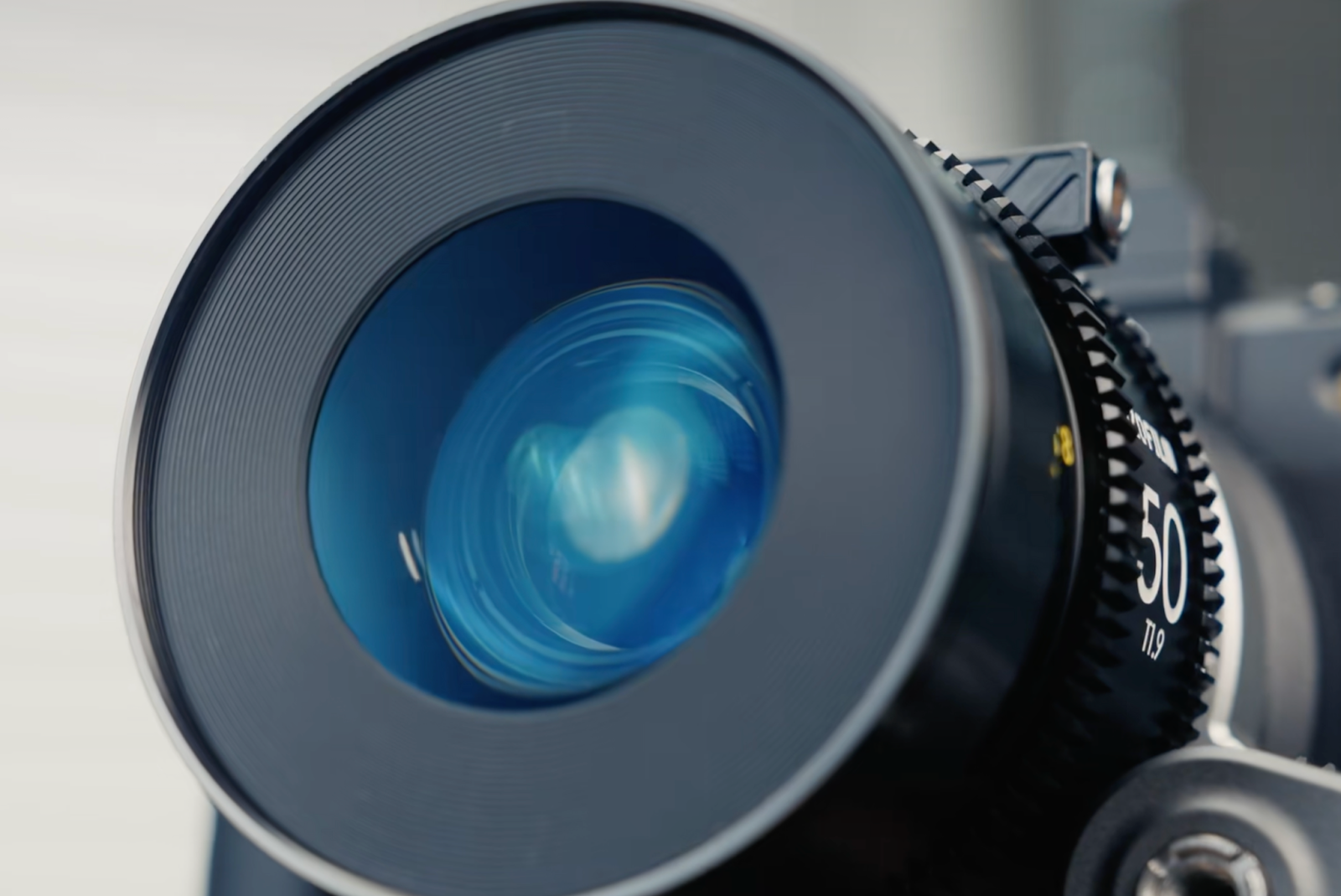
Lens Coating of Vespid 2
The Technical Foundation: Controlling Light
At its core, a lens coating is designed to manage the behavior of light as it transitions between air and glass. The lens coating will influence transmittance efficiency, also contrast and flare suppression.
Transmittance and Efficiency: Without coatings, a significant portion of light is reflected away from the sensor. Modern multi-coatings increase the optical transmittance rate, ensuring maximum light reaches the focal plane.
Contrast and Flare Suppression: Internal reflections between lens elements create "veiling glare" and ghosting. Coatings neutralize these reflections, preserving deep shadows and maintaining high contrast, even in challenging backlit scenarios.
A History of Lens Coating
In the early era of lens manufacturing, the absence of sophisticated coating technology presented a significant challenge. Photographers and cinematographers constantly battled heavy flare and a dramatic loss of contrast whenever a light source entered the frame. However, what began as a technical limitation eventually left an indelible artistic footprint on the history of cinema.
Rather than viewing flare as a defect, many visionary filmmakers began to incorporate it as a key element of their storytelling. A landmark example is Steven Spielberg’s Close Encounters of the Third Kind, where the expressive use of lens flare helped evoke a sense of wonder and extraterrestrial mystery. Over time, the unique textures and "flaws" produced by specific lens coatings have evolved into an iconic hallmark of the cinematic aesthetic.

Close Encounters of the Third Kind (1977)
As vacuum deposition technology advanced, the industry transitioned from simple "single-coatings" to complex "multi-coatings." Consequently, lenses with minimal flare began to dominate the market at the turn of the 21st century. This evolution has reached a point where modern lenses can achieve nearly perfect flare control, producing images that are clinically sharp and mathematically "clean.
Modern Engineering with an Artistic Soul
Even in today’s world of high-precision optics, modern cinema lens design is not solely focused on clinical perfection. Instead, manufacturers engineer coatings to provide a specific visual "voice." DZOFILM, for instance, utilizes distinct coating formulas across its various series to help users establish their own signature look through varied flare characteristics and contrast levels.
This philosophy is best exemplified in the diverse offerings within the Vespid family. Although they share a common lineage, the Vespid Prime, Vespid Retro, and Vespid Prime 2 each utilize unique coatings to render images with a completely different "soul."The Vespid Prime features a multi layer coating. It successfully blends modern optical performance with a touch of vintage character.
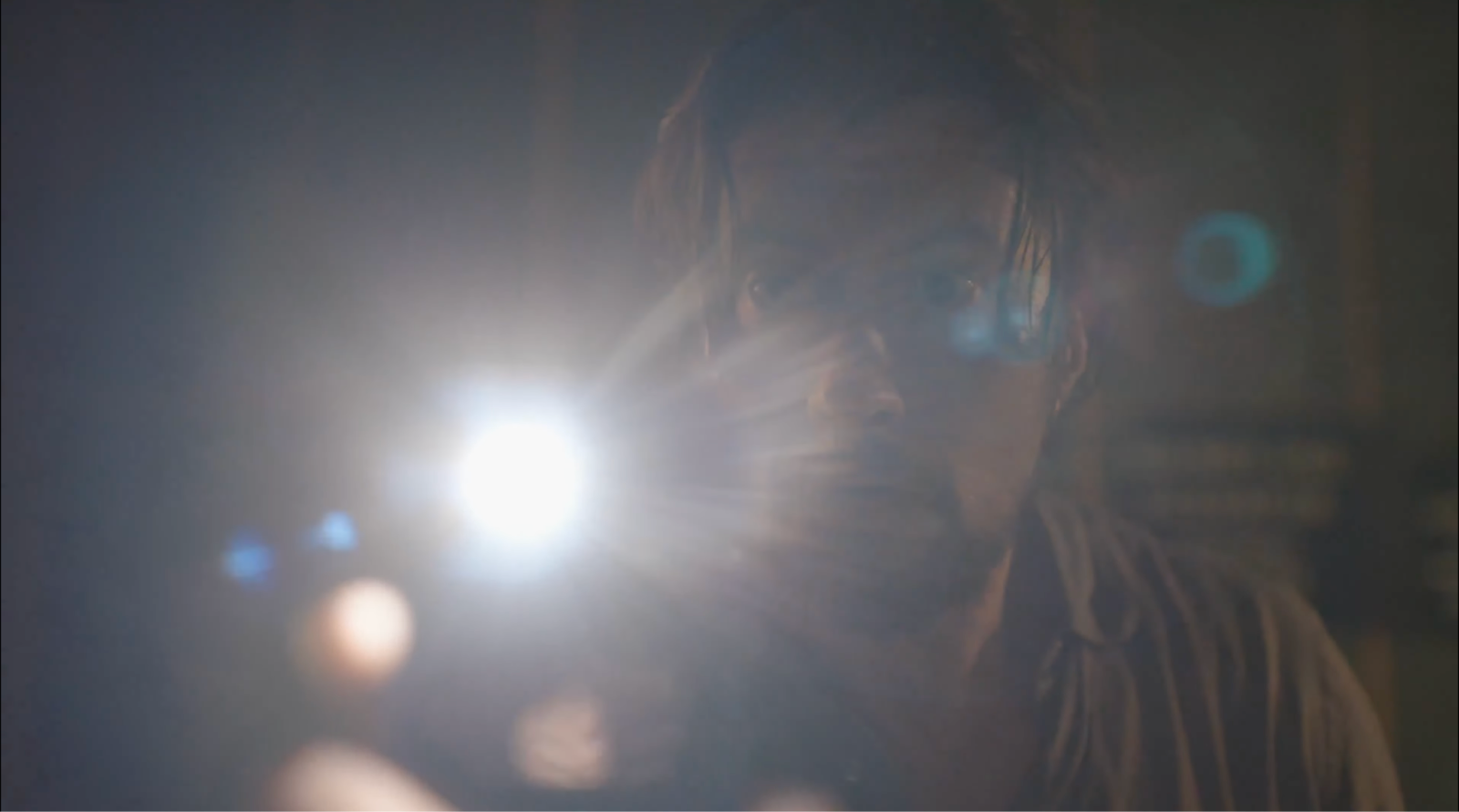
Vespid Prime Flare
In contrast, the Vespid Retro utilizes a specialized amber coating designed to mimic the warm, nostalgic flare typical of 1970s cinema glass.

Vespid Retro Flare
For those seeking a modern image result, the Vespid Prime 2 employs a modern blue coating, resulting in high-contrast images and minimal, controlled blue flares.

Despite these varied approaches, one thing remains constant: every coating is meticulously designed to provide filmmakers with that elusive, evocative feeling of a truly "cinematic" image.
The Artistic Duality of Cinema Optics
In the world of modern cinematography, the choice of lens coating is rarely just a technical requirement—it is a vital artistic decision. The "perfection" of a lens is subjective and depends entirely on the narrative intent of the Director of Photography (DP).
Cinematographers like Roger Deakins, CBE, ASC, BSC, often favor a "clean" look. By utilizing lenses with advanced, highly efficient coatings, they minimize optical defects. This approach results in a naturalistic, high-fidelity image that feels transparent to the viewer, allowing the lighting and composition to lead the story without the "distraction" of lens artifacts.
Conversely, cinematographers such as Greig Fraser, ACS, ASC, frequently look for ways to incorporate optical "imperfections" into the visual language of a film. Some vintage lenses are engineered with coatings that introduce Controlled Flare, Reduced Contrast, and Color Shifts
DZOFILM approach of lens coating
DZOFILM also recognized this need for choice by offering the same optical formula with divergent coating philosophies. The Arles Prime and Arles Lustre series share identical internal glass designs but utilize different coating technologies to achieve distinct visual identities. Arles prime chose a relatively modern coating to achieve the clean look. It provides a crisp and sharp image, minimal flare, and proper contrast. Arles Lustre uses amber coatings to mimic a vintage look. The Lustre coating provides an image with a gold flare, less contrast, and a more soft image.
Difference Between Arles and Arles Lustre
Ultimately, the evolution of optical coatings represents the perfect marriage of rigorous science and cinematic soul. What began as a purely technical struggle to overcome the physical limitations of glass has matured into a sophisticated language of visual storytelling. By carefully selecting between the clinical precision of modern multi-coatings or the nostalgic textures of vintage-inspired flares, a cinematographer can dictate the emotional temperature of every frame. These microscopic layers of material remain one of the most powerful tools available for defining a unique, professional "cinema look."